

Die Casting Service
Our die casting services deliver precision metal parts using advanced die casting and controlled manufacturing process technologies. We support everything from rapid prototyping to high-volume production with a focus on quality, efficiency, and cost performance.
- Precision die casting for complex parts and components
- Full-service tooling, CNC machining, and machining finishing
- High-volume and low volume production capabilities
- Strict quality control and ISO certified manufacturing standards
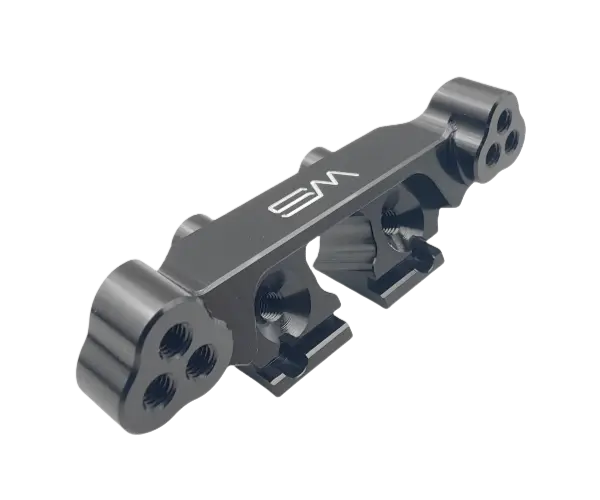
Plastic Die Casting Services
Our die casting services integrate injection molding and overmolding within a streamlined manufacturing process to produce complex parts
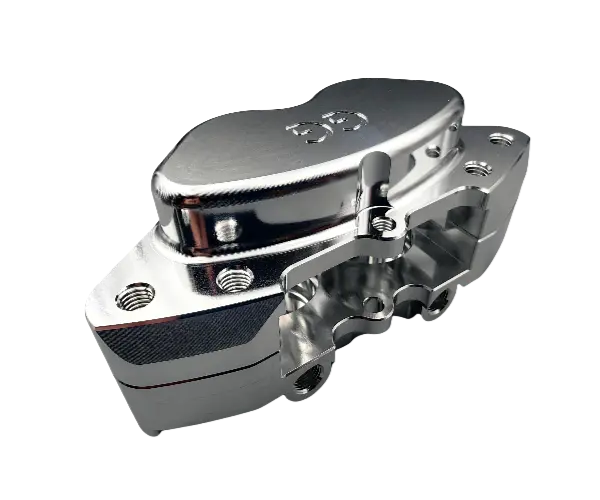
Precision Die Casting Services
Our precision die casting delivers tight tolerances, exceptional accuracy controlled pressure, optimized cooling, and strict quality control.
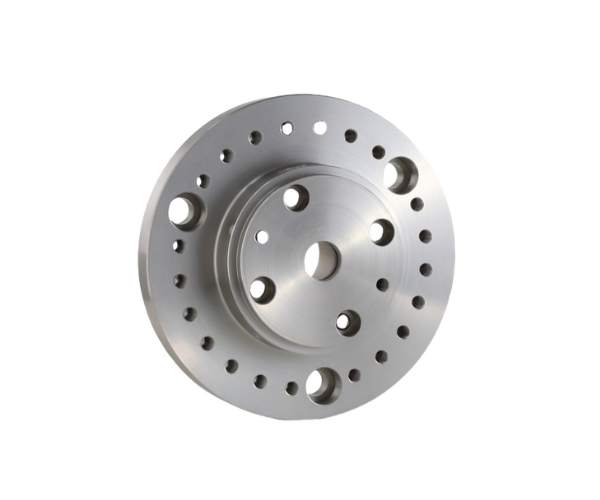
Metal Die Casting Services
We provide comprehensive metal die casting services using non ferrous metals including aluminum, zinc, and magnesium alloys,if you want to Metal Die Casting Services
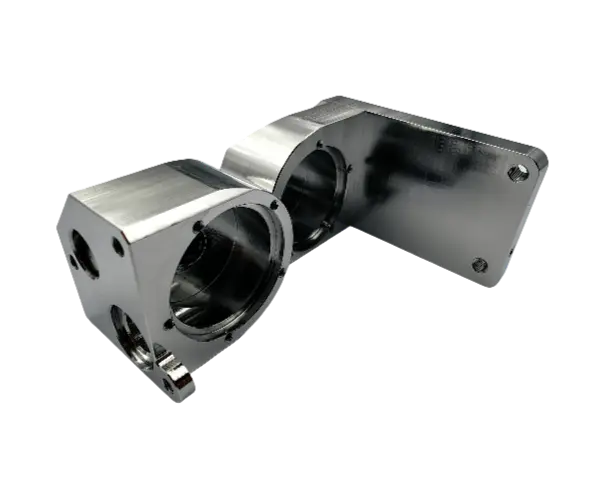
Custom Tooling for Die Casting
Custom Tooling for Die Casting:We design custom tooling and hardened steel dies with optimized cavity layouts, supporting efficient die casting and reliable prototyping.
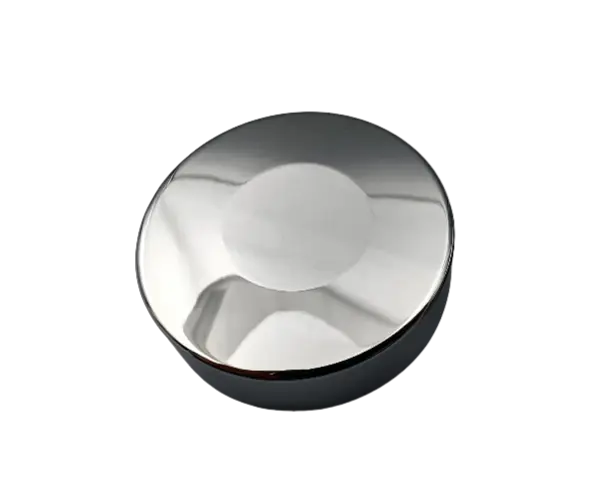
Multi Cavity Molds Service
Multi Cavity Molds Service:Our multi cavity molds enable efficient production on advanced die casting machines, delivering consistent quality parts while reducing overall cost
Aluminum alloys are the most widely used materials for die cast parts because of their strong strength weight ratio, excellent corrosion resistance, and reliable mechanical properties. Due to aluminum’s higher melting point, the cold chamber die casting process is typically required to maintain casting quality and control temperature.
Engineers choose aluminum die casting for structural components requiring dimensional stability, good surface finish, and thermal performance. Cast aluminum provides:
- High operating temperature resistance
- Strong stiffness and durability
- Excellent thermal and electrical conductivity
- Reliable corrosion and wear resistance
We offer industry-standard aluminum alloys, including A360.0, A380.0, A383.0 (ADC12), and A413.0, selected based on application, performance requirements, and post-processing needs such as CNC machining.
Zinc alloys are ideal for die cast parts requiring fine detail, thin wall thickness, and high dimensional accuracy. The hot chamber die casting process is typically used due to zinc’s low melting point, allowing fast production cycles and excellent surface finish.
Zinc die castings offer:
- High hardness and wear resistance
- Good corrosion resistance
- Tight tolerances and repeatable quality
- Excellent fluidity for complex shapes
Common alloys include Zamak 2, Zamak 3, and Zamak 5, selected for performance and post-processing capabilities
Magnesium alloys provide one of the best strength weight ratios among metals, making them ideal for lightweight die cast components. Cold chamber die casting is used to handle magnesium’s higher melting point and control solidification.
Magnesium die cast parts feature:
- High stiffness with low weight
- Vibration damping and durability
- Good thermal and dimensional stability
- Excellent machinability for precision components
Typical alloys include AZ91D and AM60, optimized for automotive, aerospace, and electronics applications.
Brass alloys are used for die cast parts requiring high electrical and thermal conductivity, corrosion resistance, and long-term durability. Brass die casting supports precision components for industrial and electrical applications.
Brass die castings provide:
- Excellent conductivity for electrical components
- Strong corrosion and wear resistance
- Good dimensional stability and machinability
- Reliable long-term performance
Common alloys include C36000 and C38500, chosen based on application requirements and finishing needs.
Automotive Die Casting
High-performance automotive die casting for lightweight aluminum parts, structural components, and durable die cast parts with excellent strength weight ratio.
Drone Part Die Casting
Precision die casting for drone parts featuring thin wall thickness, lightweight aluminum and magnesium alloys, and strong vibration resistance.
Electronics Die Casting
Custom die cast components for electronics and electrical applications requiring superior surface finish, conductivity, and dimensional accuracy.
Medical Die Casting
Reliable medical die casting delivering high quality parts, tight tolerances, and strict quality control for critical healthcare equipment.
Aerospace Die Casting
Advanced aerospace die casting producing lightweight metal components with high strength
Die casting offers distinct advantages over traditional casting methods like sand or investment casting. By injecting molten metal into precision dies under high pressure, it produces parts that are accurate and highly repeatable.
- Tighter Tolerances: Parts consistently meet precise dimensions, reducing the need for secondary machining.
- High Efficiency: Rapid cycle times support both low-volume prototypes and high-volume production, improving overall supply chain efficiency.
- Material Savings: Minimal waste and the ability to recycle non-ferrous metals make it a cost-effective solution.
- Strength and Durability: Dense, low-porosity die cast components deliver superior mechanical properties and corrosion resistance compared to sand-cast parts.
- Complex Geometries: Intricate shapes, thin wall sections, and integrated assemblies are achievable with multi-cavity molds.
- Superior Surface Finish: Smooth surfaces reduce post-processing and allow coatings
Die Casting Finishes
We offer a wide range of surface finish options to improve corrosion, aesthetics, and product lifespan
- Powder coating
- Painting
- Anodized finishes
- Chromate conversion coatings
- Nickel and chrome plating
- Polishing and grinding
- Secondary machining finishing
Types of Die Castings for Your Project
High pressure die casting injects molten metal into a steel die at high speed and pressure. It produces complex parts with excellent dimensional accuracy, tight tolerances, and smooth surface finish. Ideal for high-volume production, it is widely used for aluminum, zinc, and magnesium components.
Typical products:
- Engine housings
- Transmission cases
- Gearboxes
- Automotive brackets
- Electrical enclosures
Cold chamber die casting is used for metals with higher melting points like aluminum and magnesium. Molten metal is ladled into the chamber before injection, reducing die wear and oxidation. This method ensures precision, high structural integrity, and consistent mechanical properties in medium to high volume production.
Typical products:
- Automotive engine parts
- Aerospace structural components
- Pump housings
- Industrial machinery parts
- Drone frames
Hot chamber die casting uses a plunger and gooseneck system submerged in molten metal, typically zinc or low melting alloys. It enables rapid cycle times, high fluidity, and detailed, thin-walled components. This process is efficient for high-volume production with excellent surface finish and repeatable dimensional accuracy.
Typical products:
- Hardware fittings
- Electrical connectors
- Decorative components
- Small automotive parts
- Consumer electronics housings
Low pressure die casting forces molten metal into a mold under controlled low pressure, reducing turbulence and porosity. It produces structurally sound parts with high density, tight tolerances, and minimal defects. Ideal for applications where pressure-tight, durable components are critical, including automotive and aerospace metal parts.
Typical products:
- Cylinder heads
- Valve bodies
- Pump housings
- Aerospace structural parts
- Pressure-tight industrial components

Is Die Casting Right For Your Project?
Die casting is ideal when your parts require:
- Tight tolerances
- Thin wall sections
- High-volume or low volume production
- Superior surface finish
- Lightweight yet high strength
- Economical, cost effective manufacturing
Die Casting for Rapid Prototyping
With our die casting services, you can get rapid prototype parts in as little as 5–7 days. Your parts will have dimensional accuracy within ±0.1 mm and tight tolerances, closely matching final production components. This lets you test fit, function, and mechanical performance before committing to full-scale manufacturing.
Die Casting Design Guidelines
Uniform Wall Thickness
Maintain consistent walls (1.5mm–3mm for aluminum) to ensure even cooling and prevent shrinkage.
Draft Angles
Apply a 1°–2° taper to cavity walls to allow the ejector pins to release the part without sticking.
Fillets and Radii
Use rounded corners to improve molten metal flow and reduce stress on the tool steel.
Rib Optimization
Use ribs instead of thick walls to increase stiffness while maintaining a high strength-to-weight ratio.
Ejector Pin Placement
Position pins on non-functional surfaces to avoid visible marks on the final surface finish.
Metal Flow Path
Design geometry to avoid "dead ends" that trap air and cause porosity or leak issues.
Minimize Undercuts
Avoid complex internal features to reduce tooling costs and simplify the production process.
Tolerance Management
Design for standard tolerances to remain cost-effective, reserving tight limits for critical precision areas.
Cored-Out Bosses
Core out mounting bosses to maintain uniform wall thickness and prevent internal voids.
Machining Stock
Add 0.5mm–1.0mm of extra metal to surfaces requiring CNC machining for final accuracy.
Start Your Project With Rapidoparts
Your Valuable Custom Manufacturing Partner!
From Rapid Prototyping to Production,Quality Parts. Fast. Easy. Affordable.
- +1(502)422-1539
- info@partmfg.com
- 2110, Block A, Building 2, Sihai Yunchuang Building, Houting Community, Shajing Street, Bao'an District, Shenzhen