


Transportation Die Casting
Transportation Die Casting Services
Precision die cast components for automotive and transportation applications. Aluminum, magnesium, and zinc alloys engineered for the most demanding environments.
Request a Quote | Explore Materials
Why Transportation Engineers Choose Die Casting
Where other metal manufacturing processes require multiple operations to achieve a finished geometry, high pressure die casting produces near-net-shape parts in a single machine cycle. That efficiency compounds quickly across a production run: less material removed, fewer setups, shorter lead times, and lower per-part cost at volume.
Die casting also gives design engineers freedom that machining cannot match. Complex internal cavities, integrated bosses, thin walls, and organic geometry are all achievable within one mold tool.
Design Freedom
Net-shape designs with complex cavities in a single machine cycle
Cost-Effective
High-pressure casting minimizes material waste and post-machining time
Lightweight
Aluminum, magnesium, and zinc alloys cut vehicle weight without sacrificing strength
Quality Certified
IATF 16949 and ISO 9001 ensure every part meets spec, documented and traceable
Surface Finishing
Anodizing, powder coating, painting, plating, and conversion coatings available
Global Scale
International facilities, consistent output, local engineering expertise
Alloys Engineered for Transportation Demands
Material selection is a structural decision, not just a cost decision. The right alloy affects fatigue life, thermal performance, corrosion behavior, and how the finished part responds to secondary operations.
Aluminum:Cold-Chamber Die Casting
Cold-Chamber Process
Aluminum alloys dominate structural transportation applications due to their high strength-to-weight ratio and thermal conductivity. They excel in powertrain housings, suspension nodes, and EV battery tray structures where heat dissipation matters as much as load-bearing performance.
Aluminum requires a cold-chamber die casting machine because of its higher melt temperature, supporting a wide range of part sizes from small precision inserts up to large structural castings measured in kilograms.
ASTM
A356ASTM
A360ASTM
A380ASTM
A383JIS
ADC1JIS
ADC3JIS
ADC6JIS
ADC10
Best Applications
Structural housings, engine covers, EV battery enclosures, suspension components, powertrain covers
Key Property Advantage
Outstanding strength-to-weight ratio with excellent thermal conductivity critical for powertrain thermal management in EV and ICE platforms
Alloy Selection Note
A380/A383 for general use; A360 for corrosion-critical exterior applications; A356 where ductility and pressure tightness are required
Transportation Die Casting Applications
Die casting parts appear throughout the modern vehicle. Wherever engineers need complex geometry, controlled weight, and reliable repeatability across large production volumes.
Alloys for Every Robotic Application
We cast aluminum and zinc alloys selected for their specific performance advantages in robotics
Powertrain and Drivetrain
Die casting is the dominant manufacturing process for powertrain housings across both internal combustion and electric vehicle platforms. Thermal management requirements make aluminum the material of choice.
- Engine housings and valve covers
- Transmission cases and hydraulic valve bodies
- Electric drive unit and motor housings
- Oil pump bodies and filter housings
- Gearbox end covers
- Differential housings
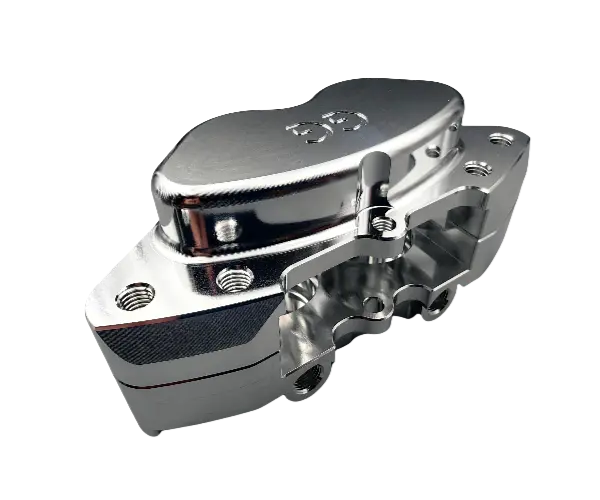
Chassis and Structural
Structural die castings reduce vehicle weight at critical chassis nodes where steel assemblies previously dominated. Part consolidation is the key value fewer components, tighter tolerances.
- Suspension brackets and knuckles
- Subframe cross-members and junction nodes
- Battery enclosure structures for EVs
- Seat frame structural members
- Control arm brackets
- Shock tower reinforcements
Body and Closure Systems
From liftgates to door mechanisms, body system components combine functional precision with surface finish requirements. Zinc excels here for visible parts; aluminum for structural closure hardware.
- Liftgate actuator and hinge housings
- Mirror bracket assemblies
- Door handle mechanisms and latch housings
- Roof rail and trim anchors
- Fuel filler neck housings
- Window regulator components
Electronics and Control Systems
Modern vehicles carry more electronic systems than ever. Die cast enclosures protect sensitive electronics while managing heat and meeting EMI shielding requirements for ADAS and connected vehicle platforms.
- ECU housings and heat spreaders
- Infotainment system brackets
- LiDAR and camera mounting housings
- Power selector and gear selector bodies
- Actuator housings for brake and steering
- Connector and relay housings
Commercial and Off-Road Vehicles
Heavy-duty and off-road applications demand die castings that perform under higher loads, longer duty cycles, and harsher environmental exposure than standard automotive programs.
- Heavy-duty gearbox and transfer case housings
- Hydraulic valve bodies for work equipment
- Cab structural nodes and console housings
- Train and rail system component housings
- Agricultural equipment control housings
- Compressor and pump housings
Certified Quality You Can Document
IATF 16949 for automotive and ISO 9001 for broader manufacturing. Customers receive traceability and inspection data, not just parts.
Engineering That Starts Before the Tool Is Cut
We assign engineers during the quoting phase, not after purchase order. That early involvement surfaces design issues, identifies alloy trade-offs, and confirms tooling strategy fits production volume before the program is committed.
International Facilities, Consistent Output
Manufacturing locations span North America and international markets including Taiwan and Asia-Pacific. Each facility operates to the same quality standards consistent supplier relationship regardless of which plant serves the program.
Recycled Materials, Reduced Footprint
Aluminum, magnesium, and zinc die casting alloys are among the most recyclable structural metals available. Post-industrial scrap is recaptured and returned to the alloy cycle. Sustainability goals and performance targets can coexist rather than compete.
Ready to Cast Your Next Robotic Component?
Send us your drawings or part requirements and we’ll provide a DFM review and quote.